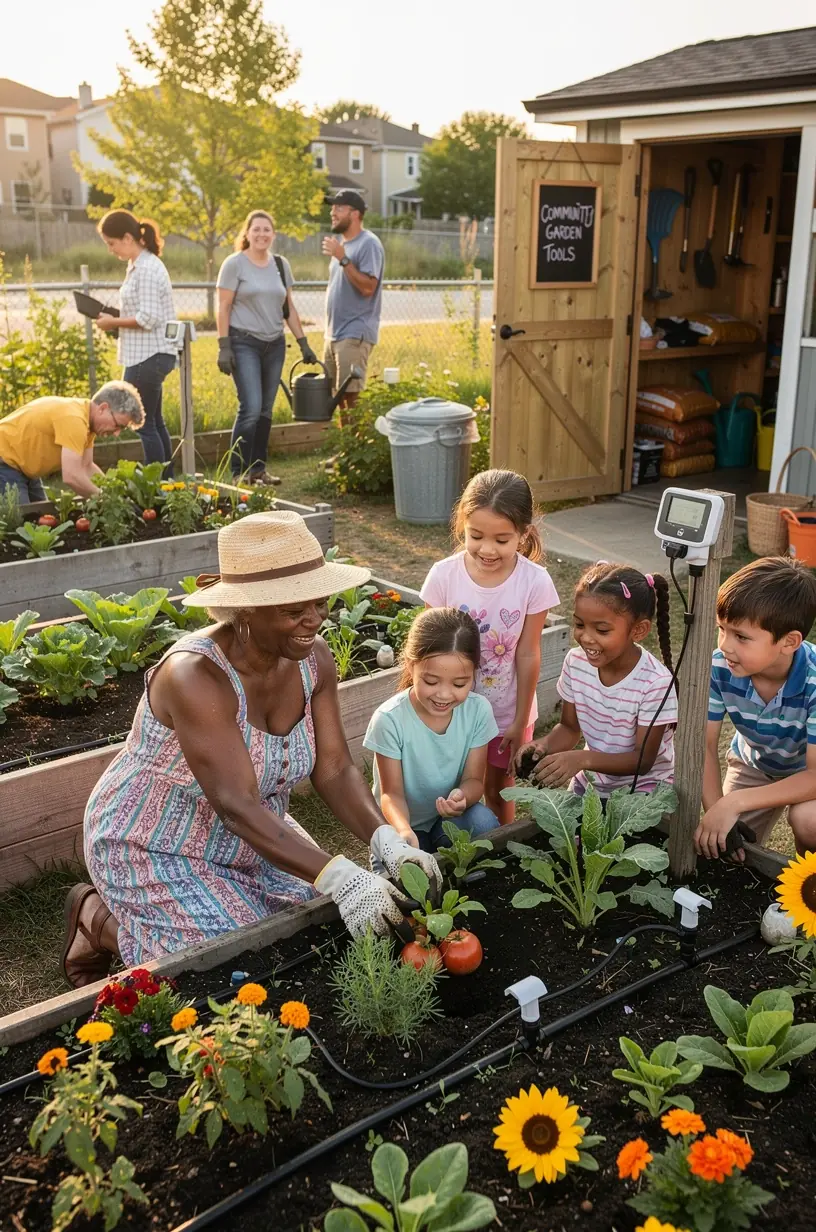
How to Cultivate a Low-Maintenance Garden
Creating a low-maintenance garden has become increasingly appealing for many homeowners in the U.S. With busy schedules and the desire for more leisure time, the idea of a garden that requires minimal upkeep is highly attractive. This article explores effective strategies to cultivate a garden that thrives with less effort.
Understanding Low-Maintenance Gardening
Low-maintenance gardening involves planning and planting in a way that reduces the need for constant care. Experts suggest that such gardens typically focus on native plants and the use of specific gardening techniques that promote sustainability. This approach not only minimizes labor but also enhances the ecosystem.

"The right plants in the right place can significantly reduce garden maintenance efforts." - Gardening Expert
Choosing the Right Plants
One of the most crucial steps in creating a low-maintenance garden is selecting suitable plants. Here are some guidelines:
- Native Plants: Many users report that native plants, which are adapted to local climates and soil conditions, often require less water and fertilizer. According to research, they can reduce maintenance time by up to 50%.
- Drought-Resistant Varieties: Incorporating drought-resistant plants can further decrease the need for watering, especially in arid regions. Industry standards recommend choosing plants that thrive in your local climate.
- Perennials Over Annuals: Perennials typically require less effort since they return year after year. Experts recommend selecting a mix of perennials that bloom at different times for continuous color without the yearly replanting process.
Implementing Smart Gardening Techniques
In addition to plant selection, employing certain gardening techniques can enhance the low-maintenance aspect of your garden:
- Mulching: Applying a layer of mulch around plants helps retain moisture and suppress weeds. This practice can reduce the need for frequent watering and weeding, making it a smart investment.
- No-Till Gardening: This method encourages soil health by minimizing disturbance. Research indicates that no-till gardening can improve soil structure, leading to better plant growth with less maintenance.
- Smart Irrigation: Installing drip irrigation systems can effectively reduce water use and labor. Industry experts suggest that this method can save up to 30-50% more water compared to conventional sprinklers.
Setting Realistic Expectations
While a low-maintenance garden can significantly reduce effort, it’s important to maintain realistic expectations. Most gardens will still require some amount of care throughout the year. For instance, regular checks for pests and occasional pruning are still advisable. In many cases, users find that dedicating just a few hours a month can keep their gardens thriving.
Conclusion
In summary, cultivating a low-maintenance garden is a practical approach that can enhance both your outdoor space and your lifestyle. By choosing the right plants, implementing smart gardening techniques, and setting realistic care expectations, you can enjoy a beautiful garden with minimal effort. This method not only saves time but also supports local ecology, making it a win-win for both gardeners and the environment.
Discover More